
A side-by-side guide to black cohosh, red clover, chasteberry and wild yam: traditional uses, what research says, safety, and creams vs supplements.
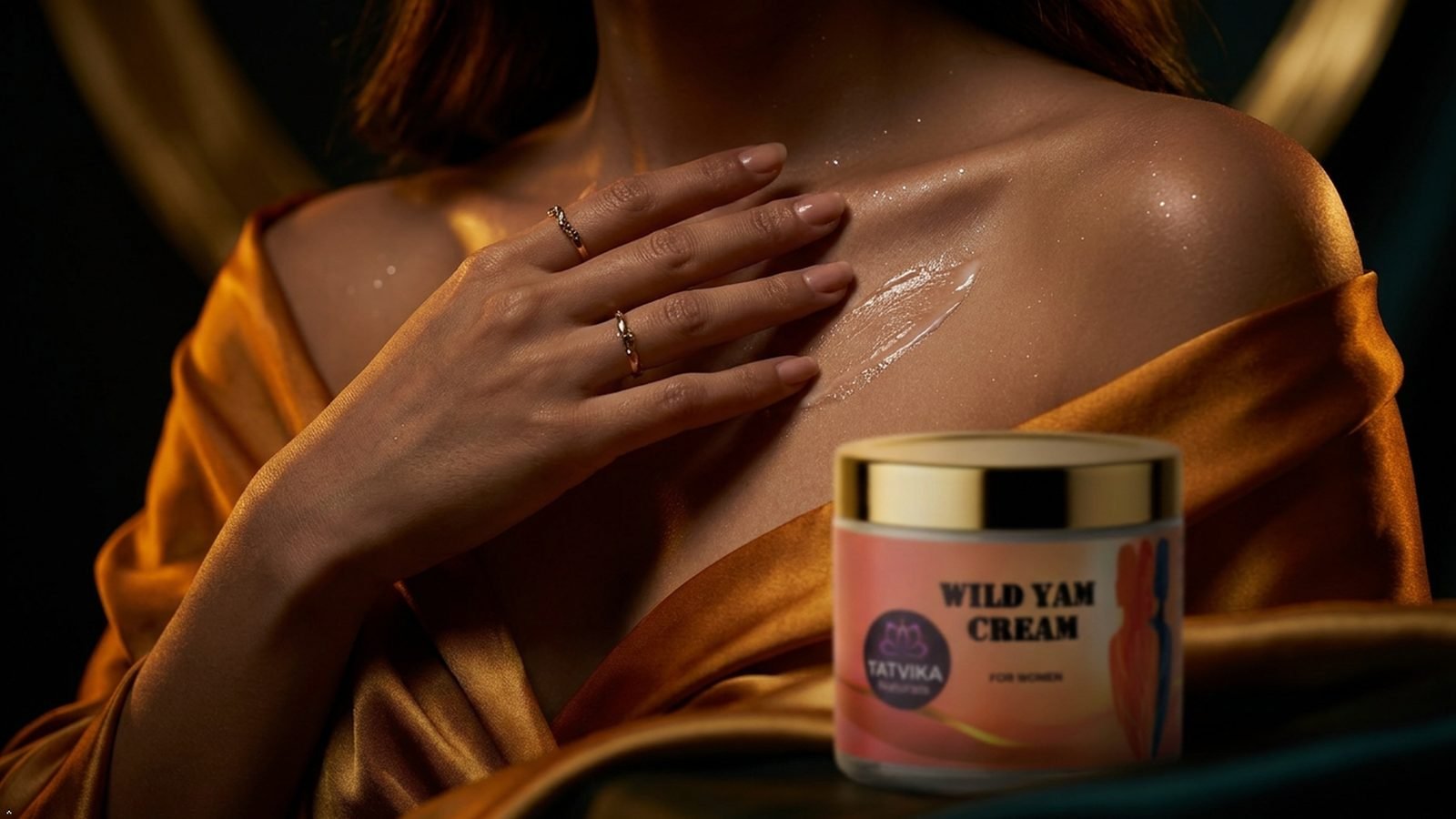
Wild Yam Cream: Benefits, Myths & How to Use It (Wild Yam vs Progesterone Cream)
What wild yam cream is, what the science says, how it differs from progesterone and estrogen creams, and how women use it for menopause self-care.
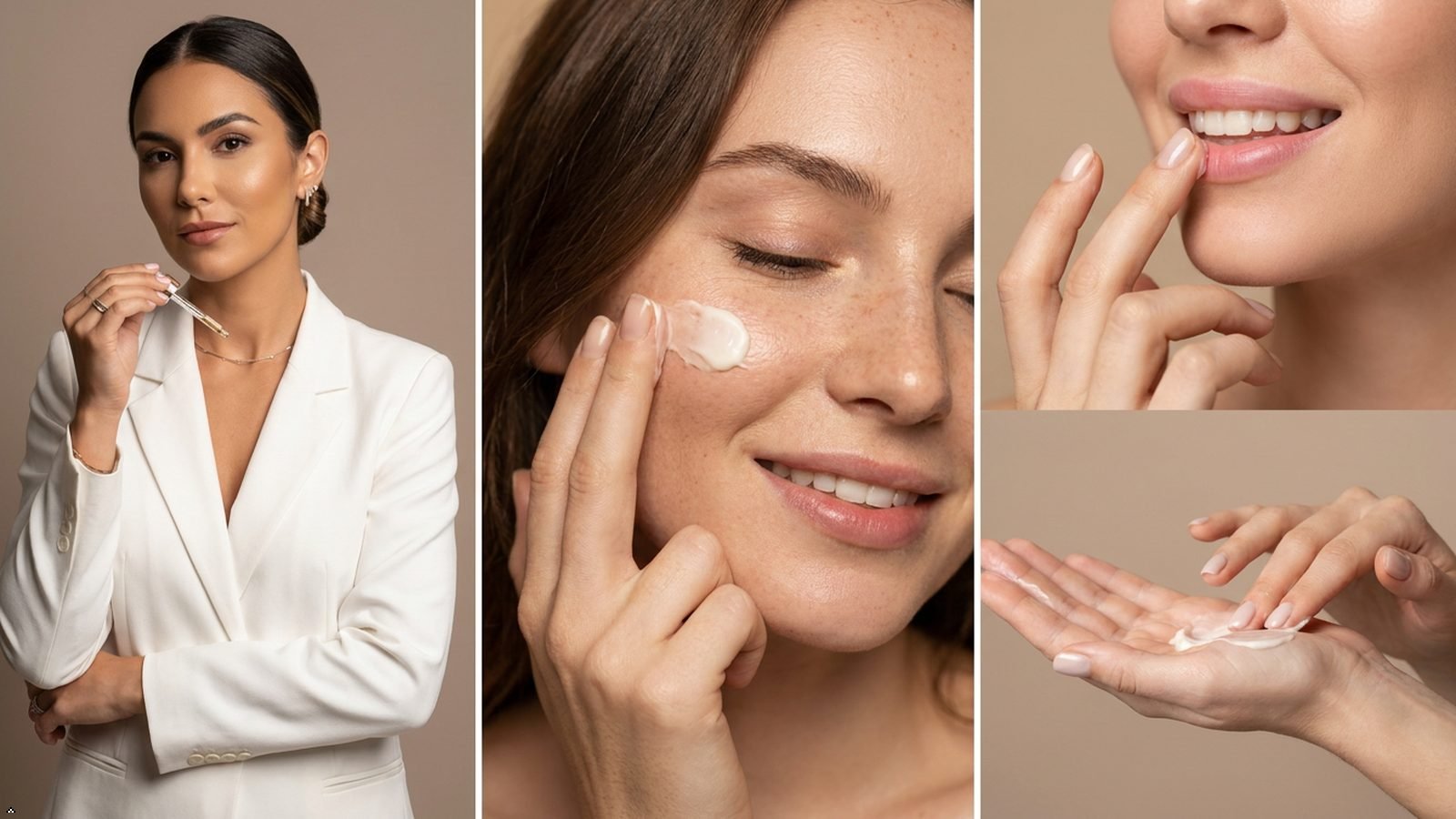
Calendula for Burns, Razor Burn & Minor Skin Irritation: What It Can and Can’t Do
An honest guide to using calendula cream for minor burns after-care, razor burn, healed scrapes and dry skin, with first aid steps and when to see a doctor.
Calendula Cream Uses & Benefits: 12 Everyday Uses + Calendula Cream vs Ointment
12 everyday uses of calendula cream, how calendula cream differs from calendula ointment, and herbal vs homeopathic calendula explained.
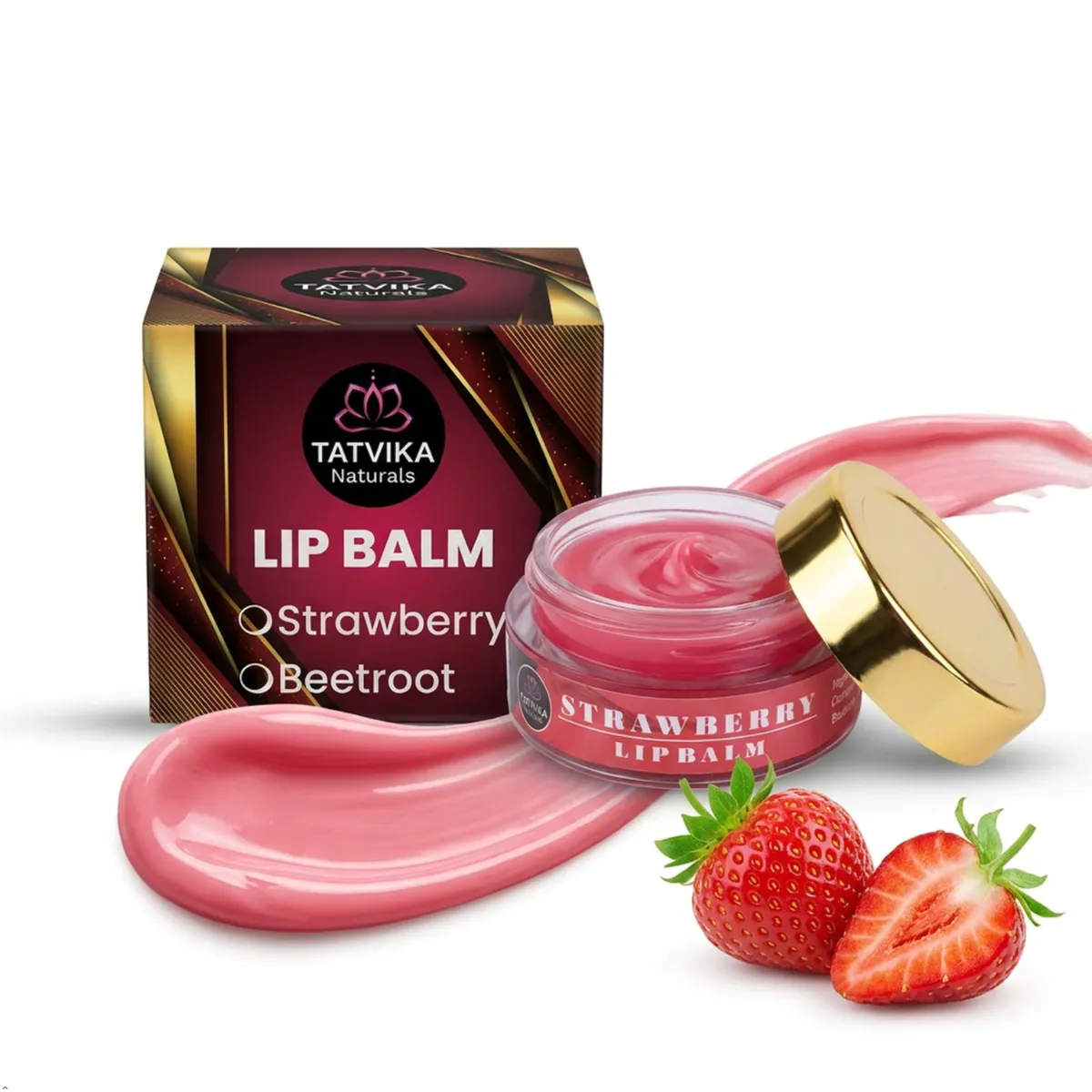
Organic Lip Balm for Kids (2–5 Years): How to Choose a Safe Lip Balm for Toddlers
What makes a lip balm safe for toddlers and young kids, ingredients to look for and avoid, and how to use it for chapped lips.
Best Lip Balm for Dark Lips: How to Lighten Dark Lips Naturally (Men & Women)
How to choose a lip balm for dark lips that actually works, the ingredients to look for, a 4-step routine and the myths to avoid, for men and women.
Kumkumadi Night Cream vs Kumkumadi Oil vs Face Cream: Which Should You Use?
Kumkumadi oil, face cream, night cream or lip balm? A clear comparison of each format, who it suits and how to use a Kumkumadi night cream for glow and dark circles.

Best Under Eye Cream for Dark Circles for Women: An Ayurvedic Guide (2026)
Why women get dark circles, what to look for in an under eye cream, and how Ayurvedic Shata Dhauta Ghrita with Kumkumadi fits into a realistic night routine.
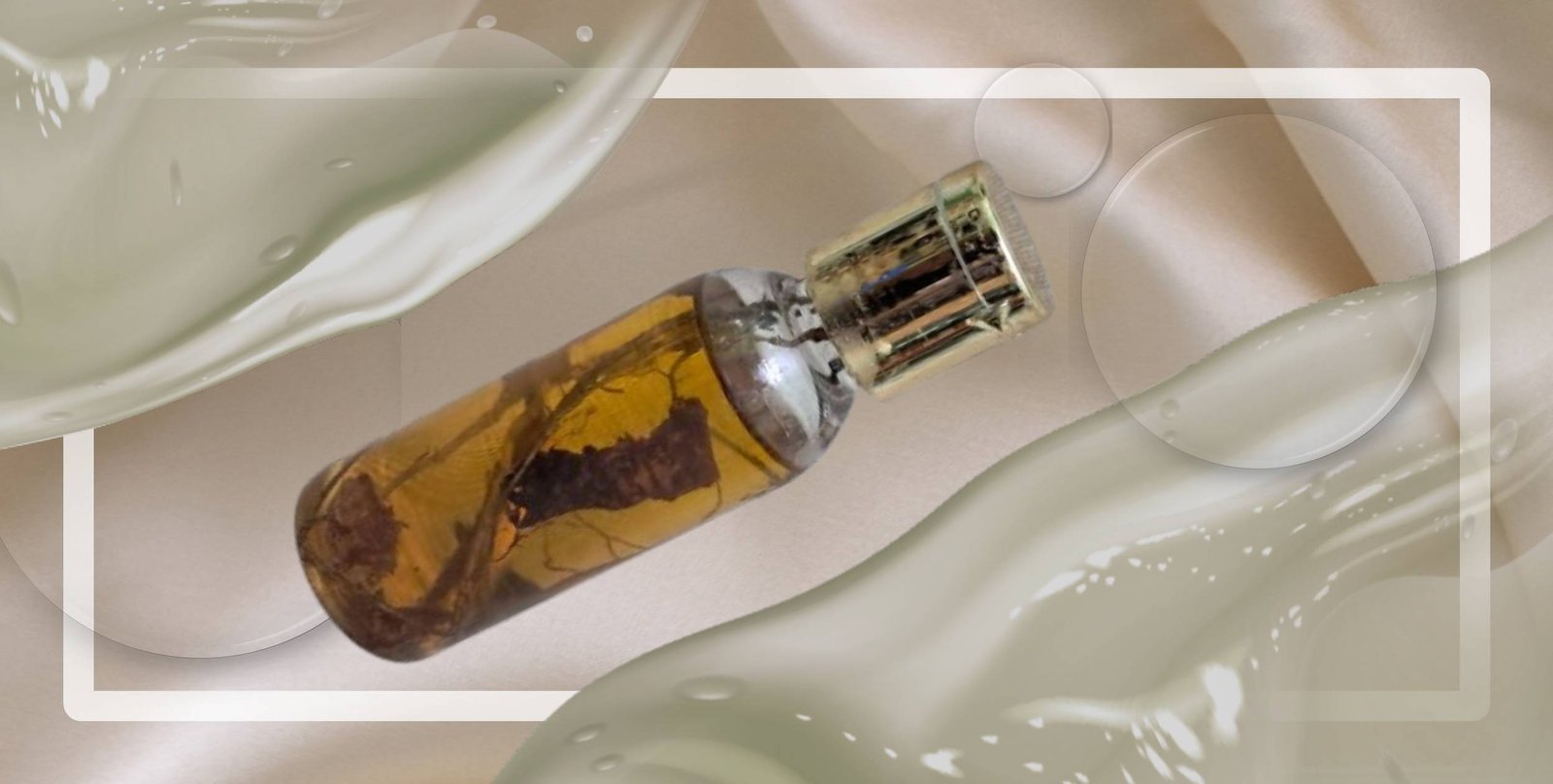
What Is Abhyanga? The Ayurvedic Self-Massage Ritual for Home
Abhyanga — warm oil self-massage — is one of Ayurveda’s most accessible daily rituals, traditionally recommended as part of a morning routine (dinacharya). It doesn’t require a therapist or a spa visit; done at home with the right oil and a few minutes, it’s one of the simplest ways to bring an Ayurvedic practice into everyday life. What Abhyanga actually is It’s a full-body self-massage using warm herbal oil, traditionally done before bathing (hence “Abhyang Snan” — oil massage followed by a bath). The oil is warmed slightly, applied generously, and massaged into the skin using long strokes on the limbs and circular strokes on the joints, then left to absorb before washing off. Why it’s done regularly, not occasionally Abhyanga is meant to be a rhythm, not a one-off treatment. Traditional use links it to: How to do it, step by step Making it a habit Even two or three times a week builds noticeable results over a daily-rush routine attempted inconsistently. Keeping a dedicated oil on hand — and a few unhurried minutes set aside — removes the friction that often stops people from starting in the first place. The takeaway Abhyanga is less about a single technique and more about consistency — a few unhurried minutes with warm oil, done regularly, rather than occasional indulgence. It’s one of the more approachable Ayurvedic rituals to start at home, with no special equipment beyond the oil itself. Explore Tatvika’s Ayurvedic skincare range to find a nourishing oil or cream for your routine.
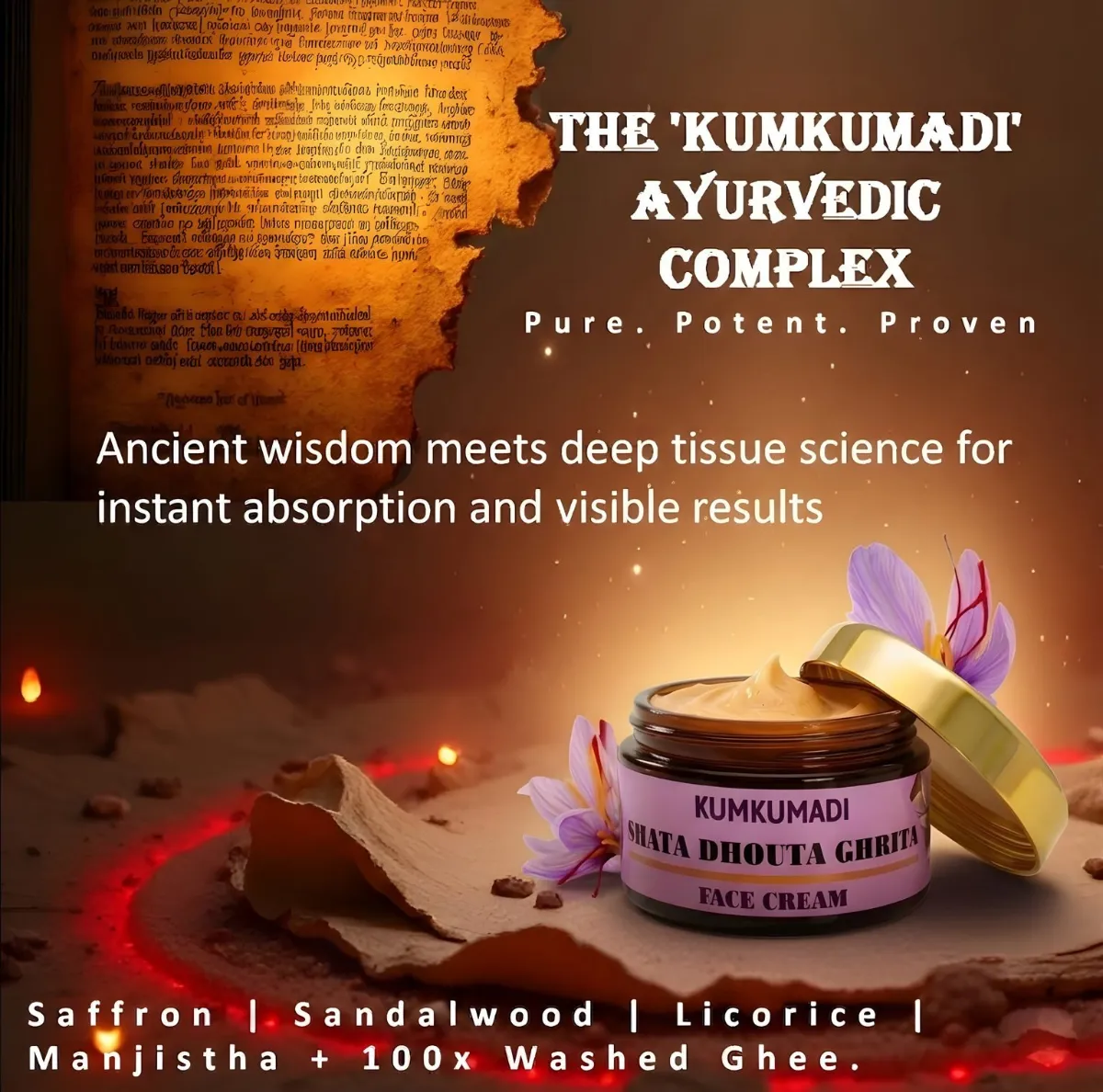
What Is Shata Dhauta Ghrita? The Ayurvedic Secret of 100-Times-Washed Ghee
Shata Dhauta Ghrita, or “hundred-times-washed ghee,” is one of Ayurveda’s most labour-intensive skincare preparations. Traditionally used around the delicate eye area, it is prized for a cooling, brightening effect that ordinary creams struggle to match. Here is what it actually is, how it is made, and how to use it. How it’s actually made Shata Dhauta Ghrita is created by repeatedly washing pure ghee with water or floral hydrosols, hundreds of times, until the ghee transforms into a soft, whipped, cream-like consistency. This washing process strips the ghee of its oily, greasy character and leaves behind a light, cooling base that is easily absorbed by the skin. Classical texts describe this preparation being infused with ingredients like saffron (Kumkumadi), sandalwood, and licorice during the washing process, each contributing its own therapeutic properties to the final cream. Why it’s used specifically for the eye area Softness without heaviness: the repeated washing removes the greasy quality of ghee while keeping its nourishing properties, making it light enough for the thin skin around the eyes. Dark circles: the cooling, saffron-infused formulation is traditionally used to help brighten the under-eye area over consistent use. Under-eye puffiness and dryness: the cream’s cooling quality and deep moisturization help soothe tired, dry, or puffy under-eyes. How to use it Take a small, pea-sized amount of Shata Dhauta Ghrita on your ring finger. Gently dab and pat it around the under-eye area and orbital bone, avoiding direct contact with the eyes. Use gentle tapping motions rather than rubbing, to help the cream absorb without tugging on delicate skin. Use at night as part of your evening routine, allowing it to work while you sleep. What makes it different from a typical eye cream Most modern eye creams rely on synthetic emollients and silicones for their light texture. Shata Dhauta Ghrita achieves a similarly light, non-greasy feel through an entirely traditional process, using only ghee and water, without synthetic additives. The infusion of Ayurvedic ingredients like saffron and sandalwood during the washing process is also unique to this preparation and isn’t something replicated in conventional eye creams. The takeaway Shata Dhauta Ghrita is a traditional, labour-intensive Ayurvedic preparation designed specifically for the sensitive eye area, offering a cooling, brightening alternative to conventional eye creams. Explore our Shata Dhauta Ghrita cream to experience this centuries-old formulation.