

Last updated: October 2026 · Tatvika Naturals Ayurveda desk
“Kumkumadi face cream” and “Kumkumadi night cream” are among the fastest-growing Ayurvedic skincare searches in India. But Kumkumadi comes as an oil (Kumkumadi Tailam), as creams, as serums and even as lip balms. Which one should you actually use, and when? Here is a clear, honest comparison.
- Kumkumadi is a classical Ayurvedic formula built around Kumkuma (saffron), traditionally used for brighter, more even-looking skin.
- Kumkumadi oil suits normal-to-dry skin as a few drops at night; it can feel heavy on oily skin.
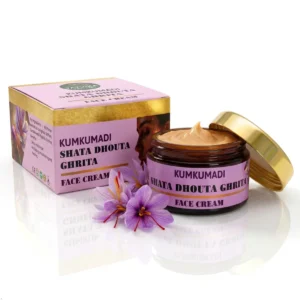
- A Kumkumadi night cream is easier to use daily, especially when it has a ghee base such as Shata Dhauta Ghrita, which adds deep moisture.
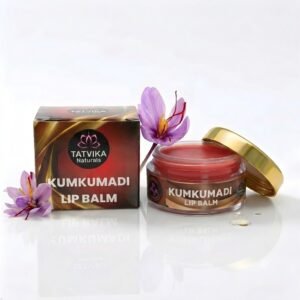
- For lips, a Kumkumadi lip balm is the most practical format for dark, pigmented lips.
What is Kumkumadi?
Kumkumadi Tailam is described in classical texts such as the Ashtanga Hridayam. The name comes from Kumkuma, saffron, its hero ingredient, combined traditionally with herbs like Manjistha, Mulethi (licorice), sandalwood and lotus. In Ayurveda it is known as a varnya preparation, one that supports complexion and glow.

Kumkumadi oil vs Kumkumadi cream vs Kumkumadi night cream
| Format | Best for | Texture | When to use |
|---|---|---|---|
| Kumkumadi oil (tailam) | Normal to dry skin, facial massage | Oily, needs massage | 3–4 drops at night |
| Kumkumadi face cream | Daily users who dislike oils | Light to medium cream | Morning or night |
| Kumkumadi night cream with Shata Dhauta Ghrita | Dry, dull skin, dark circles, fine lines | Rich, whipped ghee cream | Night, plus under eyes |
| Kumkumadi lip balm | Dark, dry or pigmented lips | Balm | Day and overnight |
Why a ghee-based Kumkumadi night cream?
Saffron and its partner herbs need a carrier. Classical Ayurveda often uses ghee because it is considered deeply nourishing and cooling. Shata Dhauta Ghrita, ghee washed 100 times, is the lightest form of ghee for skin. Combining the two gives you the glow-supporting herbs of Kumkumadi and the deep moisture of washed ghee in a single step, which is why it works so well as a night cream and as an under-eye cream.

How to use a Kumkumadi night cream
- Cleanse and pat skin dry.
- Warm a pea-sized amount between your fingertips.
- Press over face and neck with upward strokes; dab a tiny amount under the eyes.
- Leave on overnight. Use nightly for 6–8 weeks to judge results.

Who should choose the oil, and who the cream?
- Dry or mature skin: the cream (or oil followed by cream in winter).
- Oily or acne-prone skin: use a very small amount of cream on dry areas only, and patch-test first.
- Dark circles: a ghee-based Kumkumadi cream is gentler under the eyes than oil.
- Dark lips: a Kumkumadi lip balm, applied thickly at night.
What results to expect
Ayurvedic skincare works gradually. Most people notice softer, more hydrated skin in the first week. A brighter, more even look typically builds over 4–8 weeks of nightly use. Combine it with daily sun protection; no cream can outpace unprotected sun exposure.
Frequently asked questions
What is the difference between Kumkumadi oil and Kumkumadi cream?
Kumkumadi oil is a classical herbal oil that needs massage and suits dry skin. Kumkumadi cream delivers the same saffron-led herbs in an easier, less oily texture.
Is Kumkumadi night cream good for dark circles?
A gentle, ghee-based Kumkumadi night cream such as Shata Dhauta Ghrita with Kumkumadi is well suited to dry, dull under-eye skin when used nightly.
Can I use Kumkumadi cream every day?
Yes. Most people use it nightly; very dry skin can use it morning and night.
Is Kumkumadi suitable for oily skin?
Use a small amount and patch-test first. Oily skin often prefers a cream over oil.
Does Kumkumadi lighten skin?
It is traditionally used for a brighter, more even-looking complexion, not for changing your natural skin colour.
Related reading: What Is Kumkumadi Oil? · Is 100-times-washed ghee worth the hype?