If you’ve spent any time browsing lip care online, you’ve probably seen “beetroot lip balm” promising to fade dark, pigmented lips. It’s one of the most searched lip care topics in India right now — and also one of the most misunderstood. Here’s the honest breakdown of what beetroot can and can’t do for your lips, and what actually helps.
Why Do Lips Turn Dark in the First Place?
Before talking about fixes, it helps to know the cause. Lip darkening usually comes from one or more of these:
- Sun exposure — lips have very little melanin protection, so UV rays cause pigmentation just like skin does
- Dehydration and dryness — chronically dry lips look duller and darker
- Friction and habits — licking lips, biting them, or rough exfoliation
- Smoking — a well-known contributor to lip darkening
- Reaction to certain lipsticks — some pigments and preservatives can darken lips over time with repeated use
Most “dark lips” aren’t a single problem — they’re usually dryness and sun damage layered on top of each other.
Does Beetroot Actually Lighten Lip Pigmentation? The Honest Answer
Beetroot gets its color from a natural pigment called betanin. When you apply a beetroot-based balm, that pigment sits on your lips and gives them an immediate rosy tint — similar to a very sheer, natural lip tint.
What betanin does not do is bleach or break down melanin in your skin the way a clinical depigmenting ingredient (like kojic acid or alpha arbutin) is formulated to. So if a product promises beetroot will “permanently lighten” dark lips, that claim is overstated.
What beetroot can genuinely contribute:
- A temporary, natural-looking pink tint with each use
- Mild antioxidant properties that may help protect lips from everyday environmental stress
- A pleasant, chemical-free alternative to synthetic lip tints
So the honest answer is: beetroot tints, and supports — it doesn’t bleach. The real lightening effect most people notice over weeks of use comes from the combination of beetroot tint plus the moisturizing ingredients fixing the underlying dryness — not beetroot acting alone.
What a Good Beetroot Lip Balm Can Realistically Do For You
Used consistently, a well-formulated beetroot lip balm can:
- Make lips look less dry, cracked, and dull — which on its own makes pigmentation look less pronounced
- Add a soft, even, natural-looking tint instantly
- Create a smoother base for lipstick or gloss
- Protect lips from moisture loss throughout the day
That’s a genuinely useful set of benefits — just don’t expect it to erase years of sun damage in two weeks.
Ingredients That Actually Help With Dark, Dry Lips
If you’re choosing a lip balm for this concern, look for a formula that combines beetroot with these:
- Shea butter & cocoa butter — deep, long-lasting moisture
- Beeswax — locks in hydration and protects against environmental dryness
- Vitamin E — supports skin barrier repair
- SPF (if you’re outdoors a lot) — genuinely the single most effective thing you can do to prevent further sun-induced darkening
How to Use a Beetroot Lip Balm for the Best Results
- Apply on clean, slightly damp lips — it absorbs better
- Reapply 2–4 times a day, and always before bed
- Avoid licking your lips between applications — it dries them out faster than the balm can fix
- Give it 3–4 weeks of consistent use before judging results — tint shows immediately, but skin texture and tone take longer
- Use sun protection on your lips if you’re outdoors often — it protects whatever progress the balm helps you make
The Bottom Line
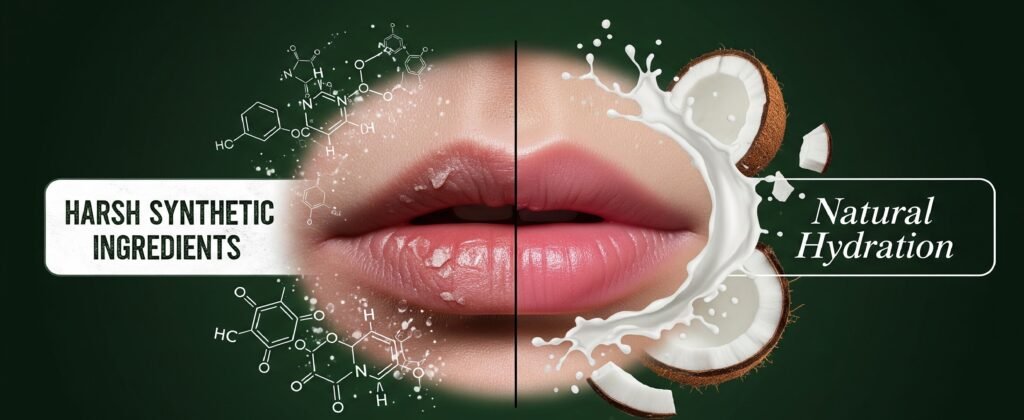
Beetroot lip balm is a genuinely good, natural way to add color and fight dryness — but it works with your skin’s healing process, not as a quick-fix bleach. If you go in with realistic expectations and use it consistently, it’s one of the gentler, more sustainable options for dark, dry lips compared to harsher chemical alternatives.
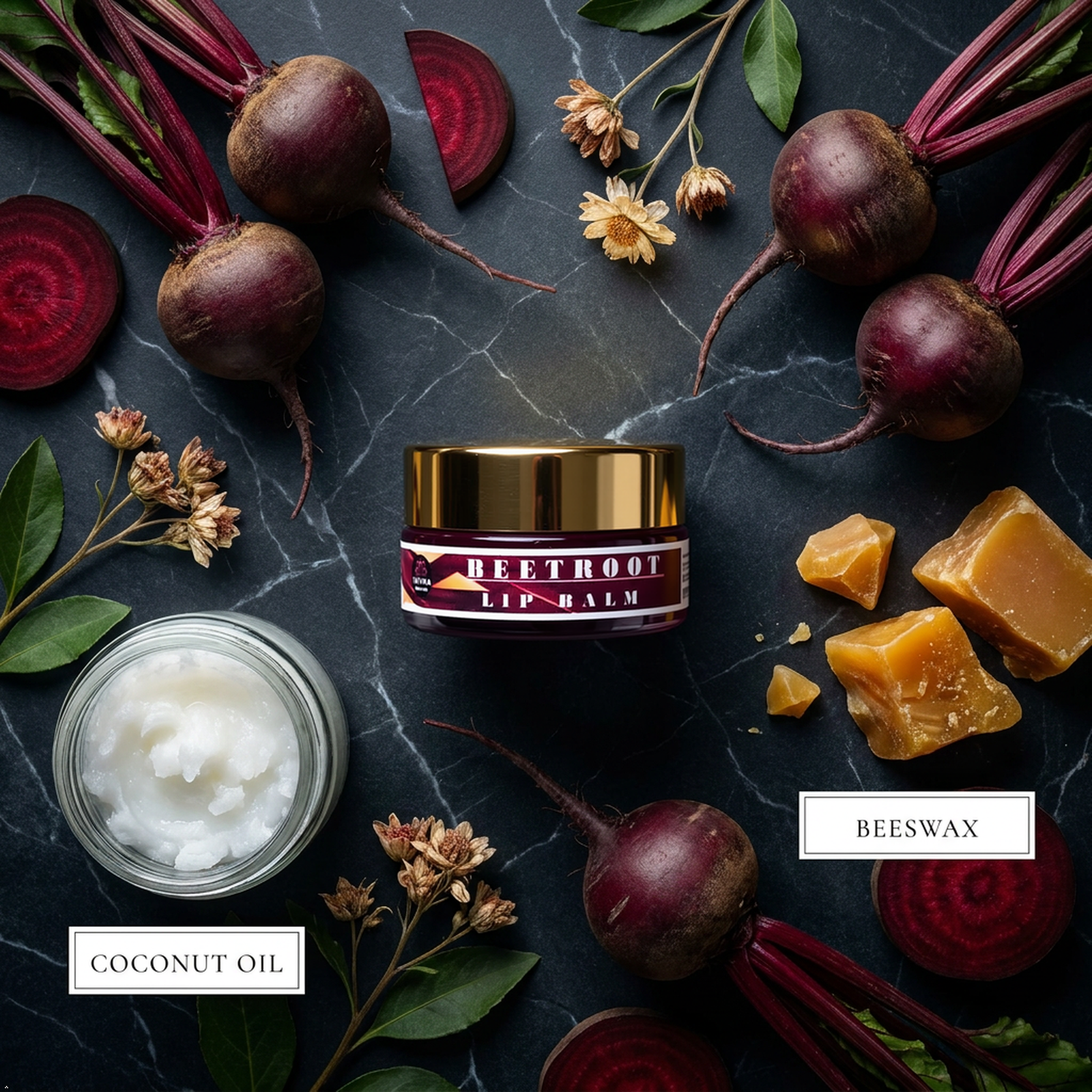
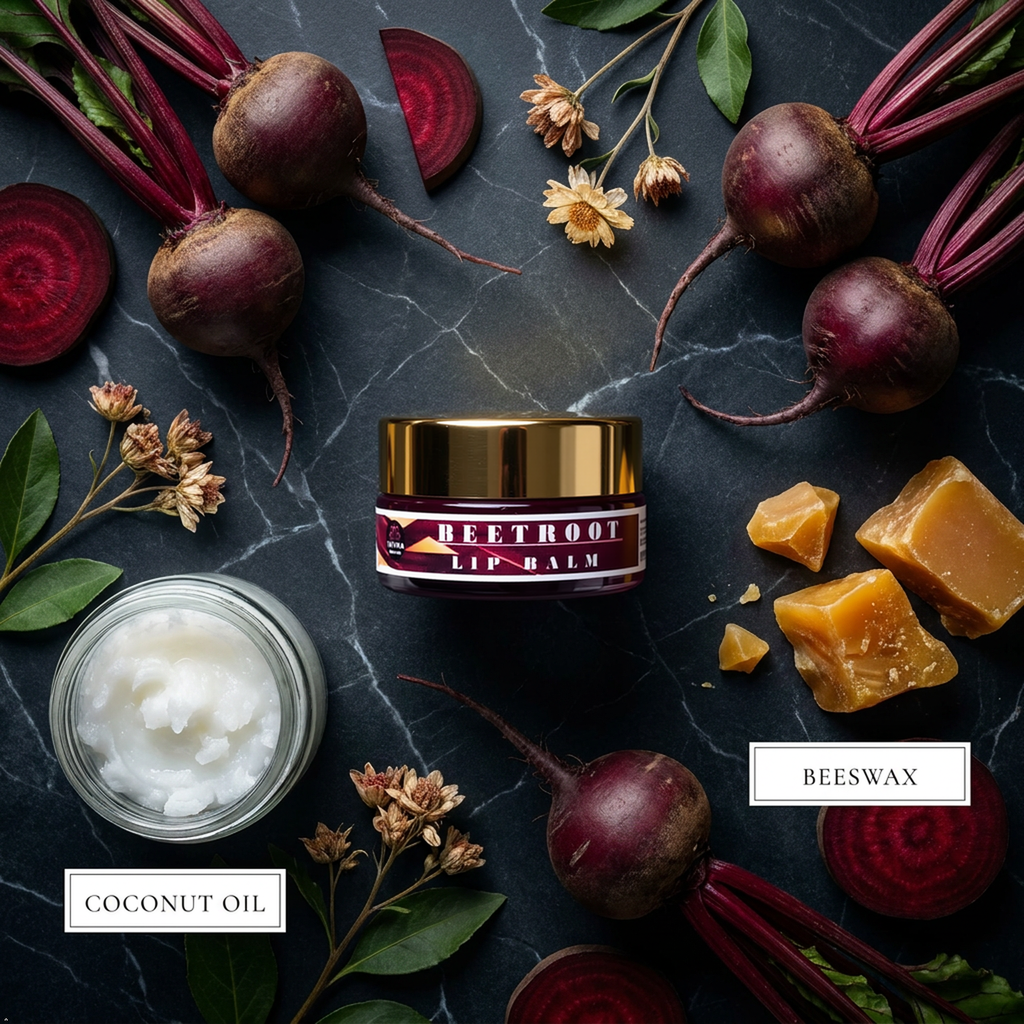
If you’re looking for a clean formula that combines real beetroot extract with deeply nourishing butters and oils, our Beetroot Lip Balm is made exactly for this — no parabens, no synthetic dyes, just consistent, gentle care.